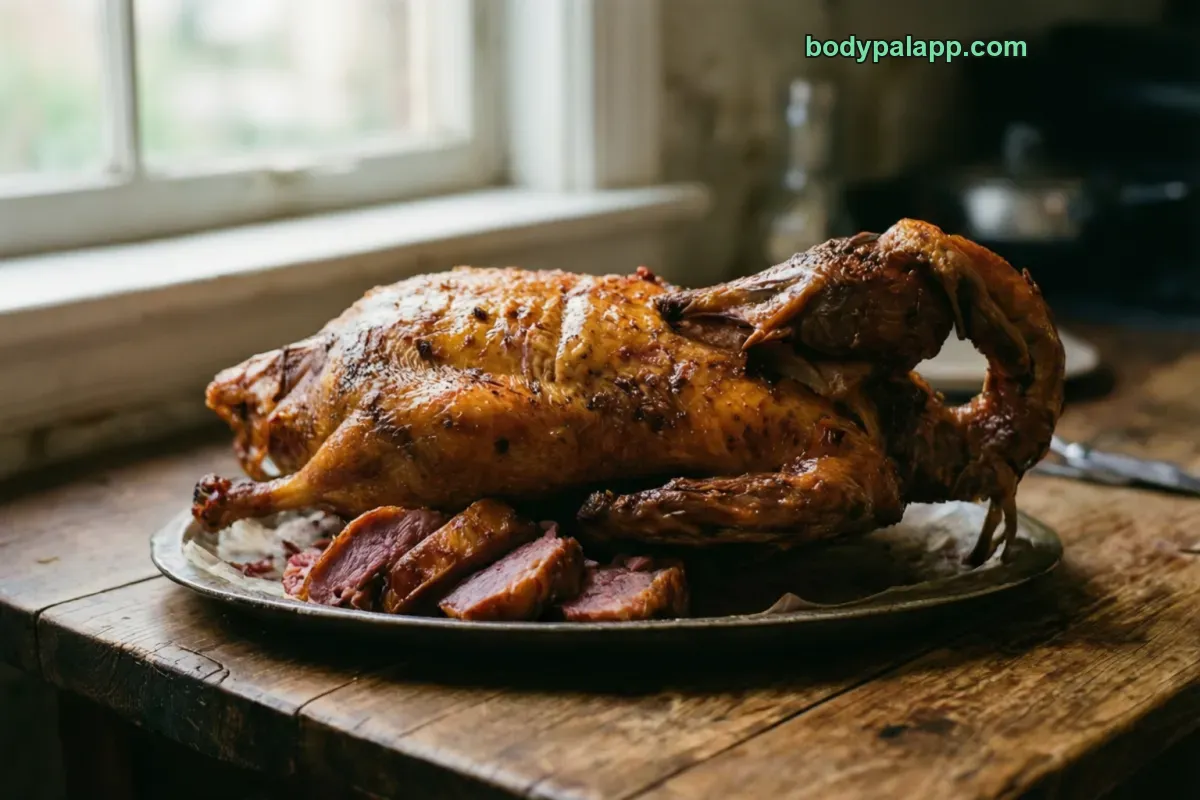
Duck calories come to 472 for 1 cup, diced (140 g) of roasted meat and skin, or 337 per 100 g. The number to notice is the fat share: 77% of those calories come from fat, so the skin largely decides your total. The same cup without skin drops to 281 calories.
472kcal
1 cup of diced duck · 140 g, roasted, meat and skin
23%protein
27 gProtein
0 gCarbs
40 gFat
How to burn off 472 kcal
—Walking, brisk
—Jogging
—Cycling, moderate
—Swimming
Skip the math. BodyPal counts these calories from your steps and workouts automatically.
Nutrition facts
Roasted, meat and skin · per 140 g
Calories
472 kcal
Protein
27 g
Carbohydrate
0 g
Fat
40 g
Saturated fat
13.5 g
Cholesterol
118 mg
Sodium
83 mg
Potassium
286 mg
Iron
3.8 mg
Source: USDA FoodData Central
🛡️
Verified nutrition data
Numbers on this page come from USDA FoodData Central, the U.S. Department of Agriculture’s food composition database, and from manufacturer labels where a branded product is named. Last verified October 2026. How we verify our data →
Duck: calories, protein and sodium by serving
Percent of daily value uses the FDA reference of 2,000 kcal a day.
Serving
kcal
Protein
Carbs
Fat
Sodium
% DV kcal
1 cup, diced (140 g)
472
26.6 g
0 g
39.7 g
83 mg
24%
Skinless cup (140 g)
281
32.9 g
0 g
15.7 g
91 mg
14%
3 oz portion (85 g)
286
16.1 g
0 g
24.1 g
50 mg
14%
100 g
337
19 g
0 g
28.4 g
59 mg
17%
3 × 1 cup, diced (140 g)
1,415
79.8 g
248 mg
5 × 1 cup, diced (140 g)
2,359
132.9 g
413 mg
A cup of duck with skin is a 472-calorie plate
The default serving here is 1 cup, diced (140 g), roasted with the skin on. It lands at 472 calories, which is 24% of the daily value for energy, and brings 26.6 g of protein alongside 39.7 g of fat. That is a full meal's worth of calories before anything else touches the plate.
A 3 oz portion (85 g) is the more modest option. It comes to 286 calories, 16.1 g of protein and 24.1 g of fat, or 14% of the daily calorie value. If you are carving at home, this is the size worth picturing: roughly a deck of cards of meat with its skin.
Duck is often served generously, and the total climbs fast. Two cups (280 g) reach 944 calories, three cups (420 g) reach 1,415, and a 700 g platter of five cups adds up to 2,359. Protein rises along the way, to 132.9 g at that largest size, but fat rises with it in the same proportion. Portion size, not cooking method, is the biggest lever you have.
Fat supplies three quarters of every calorie
Per 100 g, roasted duck with skin has 19 g of protein, 28.4 g of fat and 0 g of carbs. In calorie terms that splits 77% fat and 23% protein. There is no sugar and no fiber, so every calorie comes from the meat and the fat layer under the skin.
Saturated fat is the row to watch. At 9.7 g per 100 g, it is close to half of the 20 g daily value used on this page. Cholesterol sits at 84 mg per 100 g against a daily value of 300 mg. If you track either of these, the portion you choose matters more than anything else.
Sodium, by contrast, is low for a meat. The duck itself carries 59 mg per 100 g, just 3% of the daily value, and 83 mg in a diced cup. Potassium comes in at 204 mg per 100 g. What you add in glazes or sauces is a separate question, and worth checking if you watch salt.
Skinless duck is a different food
Pull the skin off and the numbers change sharply. A skinless cup (140 g) has 281 calories instead of 472, and fat falls from 39.7 g to 15.7 g. That cup now covers 14% of the daily calorie value rather than 24%.
Protein goes the other way. The skinless cup delivers 32.9 g, against 26.6 g with skin, because the same weight now holds more lean meat. That works out to 66% of the protein daily value versus 53%. Sodium barely moves: 91 mg skinless against 83 mg with skin, both 4% of the daily value.
The practical takeaway is simple. If you love crisp duck skin, eat a smaller portion and enjoy it. If you want duck as a regular protein source, removing the skin gives you more protein for far fewer calories, and it still tastes like duck.
Let the sides do the lighter work
Because duck has 0 g of carbs and 0 g of fiber, the rest of the plate has to supply both. Vegetables, greens, beans or a modest scoop of grains round out a meal that is otherwise all protein and fat. Fruit-based sauces are a classic match, though they add sugar the duck itself does not have.
Think of a 3 oz portion (85 g) at 286 calories as the anchor and build around it. With skin on, that one portion already holds 24.1 g of fat, so lean sides keep the meal from tipping heavy. With skin off, you have more room to add richer sides.
Logging duck accurately mostly means getting the portion and the skin right. BodyPal can log it from a photo, which helps when the meat comes sliced on a shared platter and the weight is hard to guess.
How does duck compare?
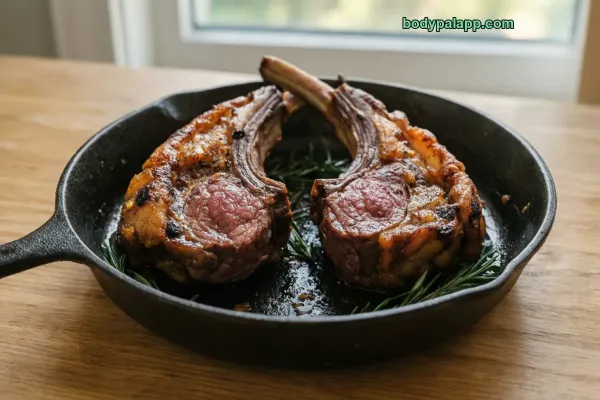
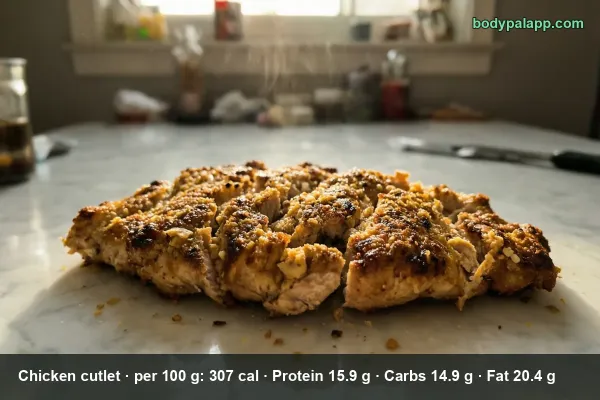
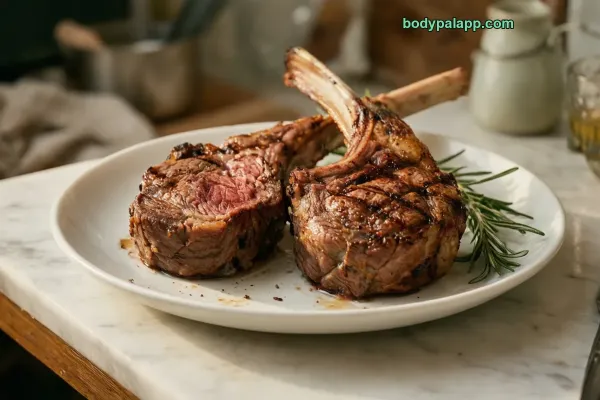
Here is how roasted duck with skin stacks up against lamb loin chop, chicken cutlet and grilled lamb chop, per 100 g and per usual serving.
Verdict: Duck at 337 calories per 100 g is the richest of the four, but lamb loin chop at 332 is essentially level, so swapping between those two saves little. For lean protein pick the grilled lamb chop, with 25.2 g of protein per 100 g against 19 g for duck; if you watch sodium, skip the chicken cutlet, which carries 594 mg per 100 g versus 59 mg for duck.
2Joe Jurgielewicz & Son Boneless Duck Breast3 oz · 84 g202 kcal
3Maple Leaf Farms Salt Added Ground Duck4 oz · 112 g170 kcal
Brand labels list raw duck meat, while cooked duck loses water during roasting, so it has more calories per 100 g. Source: manufacturer labels / USDA FoodData Central.
Duck FAQs
How many calories are in a cup of duck?
A cup of diced roasted duck with skin (140 g) has about 472 calories, or 281 without skin.
Is duck good for weight loss?
Roasted duck with skin has 337 calories and 28.4 g fat per 100 g. Without skin it drops to 201 calories and 11.2 g fat.
Duck vs lamb loin chop: which has more calories?
Roasted duck with skin has 337 calories per 100 g, close to the 332 calories of a lamb loin chop.
How much protein is in duck?
A cup of roasted duck with skin has 26.6 g protein (19.0 g per 100 g). Without skin, a cup has 32.9 g.
How many calories are in 3 oz of roasted duck?
A 3 oz portion (85 g) of roasted duck with skin has 286 calories. It also brings 16.1 g of protein and 24.1 g of fat, which is 14% of the daily calorie value.
How many calories are in skinless duck?
A skinless cup (140 g) of roasted duck has 281 calories, compared with 472 for the same cup with skin. Removing the skin also raises protein to 32.9 g and cuts fat to 15.7 g.
How many calories are in 100 g of duck?
100 g of roasted duck meat and skin has 337 calories. That weight holds 19 g of protein, 28.4 g of fat and 0 g of carbs, with 77% of the calories coming from fat.
Does duck have carbs or sugar?
Roasted duck has 0 g of carbs, 0 g of sugar and 0 g of fiber per 100 g. Its calories split 77% fat and 23% protein, so it suits low-carb eating.
How much saturated fat and cholesterol is in duck?
Roasted duck with skin has 9.7 g of saturated fat and 84 mg of cholesterol per 100 g. The daily values used here are 20 g and 300 mg, so saturated fat is the row to watch.