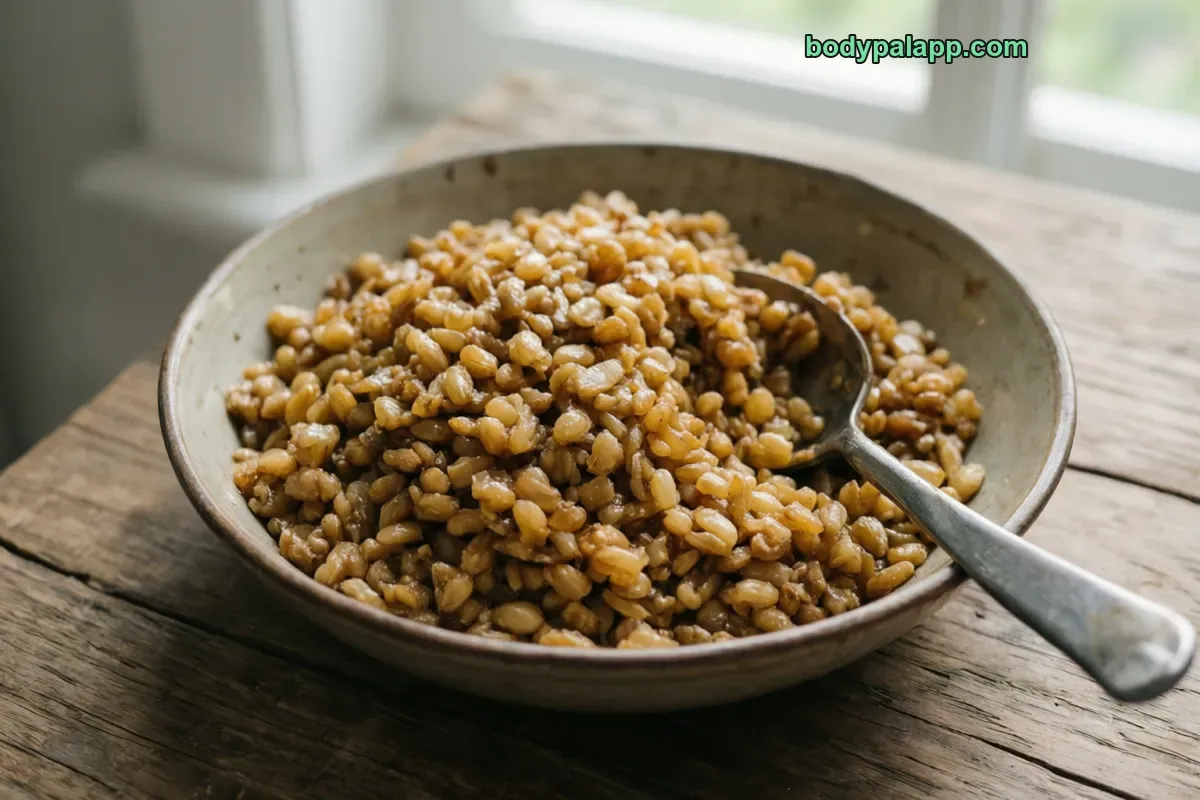
Spelt calories come to 246 for 1 cup of cooked spelt (194 g) and 127 per 100 g. Most of that energy is carbohydrate, but each cooked cup also carries 10.7 g of protein and 7.6 g of fiber. Whether you measure the grain cooked or dry changes the total more than anything else.
246kcal
1 cup · 194 g, cooked
16%protein
10.7 gProtein
51 gCarbs
1.6 gFat
How to burn off 246 kcal
—Walking, brisk
—Jogging
—Cycling, moderate
—Swimming
Skip the math. BodyPal counts these calories from your steps and workouts automatically.
Nutrition facts
Cooked · per 194 g
Calories
246 kcal
Protein
10.7 g
Carbohydrate
51 g
Fat
1.6 g
Cholesterol
0 mg
Sodium
10 mg
Potassium
277 mg
Iron
3.2 mg
Source: USDA FoodData Central
🛡️
Verified nutrition data
Numbers on this page come from USDA FoodData Central, the U.S. Department of Agriculture’s food composition database, and from manufacturer labels where a branded product is named. Last verified October 2026. How we verify our data →
Spelt: calories, protein and sodium by serving
Percent of daily value uses the FDA reference of 2,000 kcal a day.
Serving
kcal
Protein
Carbs
Fat
Sodium
% DV kcal
1 cup (194 g)
246
10.7 g
51.3 g
1.6 g
10 mg
12%
1 cup uncooked (174 g)
588
25.4 g
122.1 g
4.2 g
14 mg
29%
100 g
127
5.5 g
26.4 g
0.9 g
5 mg
6%
3 × 1 cup (194 g)
739
32 g
29 mg
5 × 1 cup (194 g)
1,232
53.4 g
49 mg
One cooked cup is 246 calories, one dry cup is 588
A cup of cooked spelt (194 g) lands at 246 calories, about 12% of the daily value for calories. That is a normal side-dish portion, close in size to a cup of rice, and it brings 10.7 g of protein with it.
The dry measure is where people get caught. One cup uncooked (174 g) is 588 calories, with 25.4 g of protein and 18.6 g of fiber, because the berries have not absorbed any water yet. Spelt swells as it simmers, so a cup from the bag becomes much more than a cup on the plate. If you log from the bag, use the uncooked row; if you scoop from the pot, use the cooked one.
After that, totals climb in a straight line. Two cups cooked come to 493 calories, three cups to 739, and a big batch of five cups (970 g) reaches 1,232 calories with 53.4 g of protein. If you cook a pot on Sunday, divide it by cups and every portion logs cleanly.
Carbs supply 78% of the calories
Spelt is a grain, and it behaves like one. Carbohydrates account for 78% of its calories, protein for 16% and fat for just 6%. Per 100 g cooked, that works out to 26.4 g of carbs, 5.5 g of protein and 0.9 g of fat.
The protein share is what sets it apart from white rice. A cooked cup delivers 10.7 g, or 21% of the daily value for protein, and two cups get you to 21.3 g. That will not replace a chicken breast. It does mean the grain on your plate pulls some weight instead of being pure starch.
Fat barely registers. At 1.6 g per cooked cup, almost every calorie comes from starch and protein, so any oil, butter or cheese you stir in will move the total more than the grain itself. If you dress a spelt salad with vinaigrette, count the dressing as its own line.
High in fiber, almost free of sodium
Fiber is the row worth reading. A cooked cup holds 7.6 g and 100 g holds 3.9 g. Against a daily value of 28 g, one cup covers a solid share of the target in a single side dish. That is a clear edge over refined grains, and it is one reason a bowl of spelt can feel more substantial than its 246 calories suggest.
Sodium is the opposite story. Plain cooked spelt has 5 mg per 100 g and 10 mg per cup, which rounds to 0% of the daily value. If you watch sodium, the grain is not the problem; the salt in the cooking water and the broth you use are. Cooking it in plain water keeps the bowl close to those numbers.
Cholesterol is 0, and potassium comes in at 143 mg per 100 g. Neither is the headline, but both are clean lines on a label that is mostly about carbs and fiber.
Spelt works best with protein beside it
Because carbs drive most of its calories, spelt fits a plate the way rice or pasta does: as the base, not the whole meal. Pair a cooked cup with eggs, beans, fish or tofu and a pile of vegetables, and you get a balanced bowl where the grain adds fiber and a little protein of its own.
Spelt also shows up in the bread aisle and the flour bin. Bob's Red Mill Organic Spelt Flour, Rudi's Organic Spelt Bread and Izzio Whole Heirloom Spelt Bread all use it, and Eden Organic makes a spelt soba pasta. The numbers on this page are for the plain cooked grain, so check the brand table for breads and pastas, where flour, water and added ingredients change the count.
If you track, the simplest habit is to weigh the cooked grain once and learn what your usual scoop looks like. BodyPal can also log a spelt bowl from a photo.
How does spelt compare?
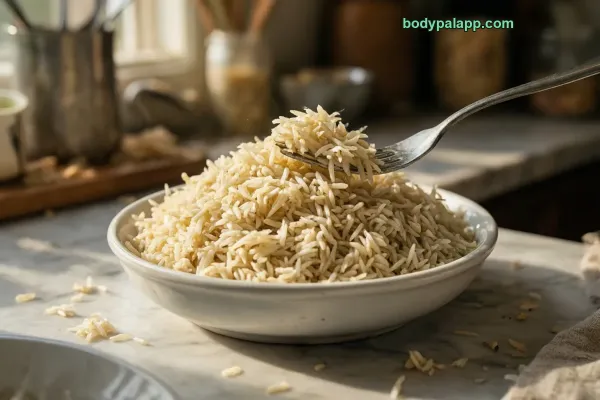
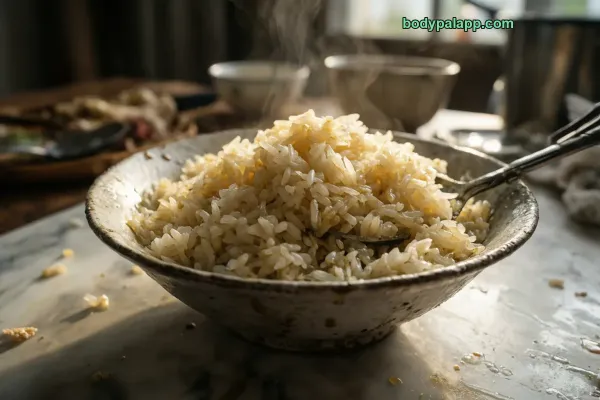
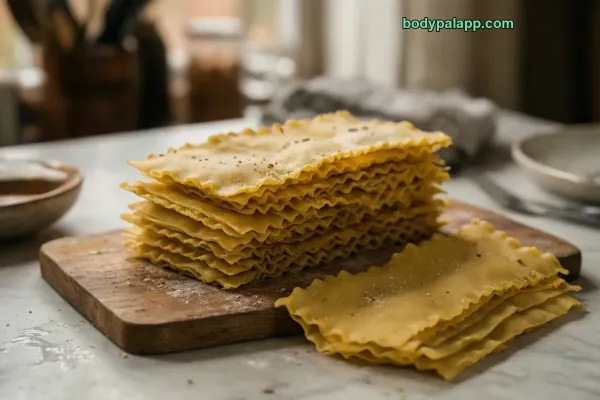
Here is how cooked spelt stacks up against basmati rice, jasmine rice and lasagna noodles, per 100 g and per usual serving.
Verdict: On calories it is close to a tie, with 127 per 100 g for spelt against 130 for both rices and 138 for lasagna noodles. Pick spelt if you want more staying power from the same calories, since its 5.5 g of protein per 100 g roughly doubles the 2.7 g in either rice.
Most popular spelt brands in the United States
Ranked by popularity in the BodyPal database
# Productkcal / 100 g
1Bob's Red Mill Organic Spelt Flour1/4 cup · 30 g367 kcal
6Berlin Natural Bakery Sprouted Biblical Spelt Bread1.3 oz · 37 g243 kcal
7Eden Organic Spelt Soba Pasta2 oz · 55 g364 kcal
Flour and pasta are labeled dry and breads are baked products, so they read higher than the cooked spelt number above. Source: manufacturer labels / USDA FoodData Central.
Spelt FAQs
How many calories are in a cup of cooked spelt?
A cup of cooked spelt (194 g) has 246 calories, or 127 calories per 100 g.
Is spelt good for weight loss?
Cooked spelt has 127 calories and 3.9 g of fiber per 100 g, so a 194 g cup gives 7.6 g of fiber for 246 calories.
Spelt vs basmati rice: which has fewer calories?
Cooked spelt has 127 calories per 100 g and cooked basmati rice has 130, so they are almost the same.
How much protein is in spelt?
A cup of cooked spelt (194 g) has 10.7 g of protein and 51.3 g of carbs. Uncooked spelt has 14.6 g of protein per 100 g.
How many calories are in uncooked spelt?
One cup of uncooked spelt (174 g) has 588 calories. It also carries 25.4 g of protein, 122.1 g of carbs and 18.6 g of fiber. Cooking adds water, which is why a cooked cup drops to 246 calories.
How much fiber is in cooked spelt?
A cup of cooked spelt has 7.6 g of fiber, and 100 g has 3.9 g. With a fiber daily value of 28 g, a single cup makes a meaningful dent in the day's target.
Is spelt low in sodium?
Yes. Plain cooked spelt has 10 mg of sodium per cup and 5 mg per 100 g, which is 0% of the daily value. Salt added to the cooking water is what raises it.
How many carbs are in a cup of cooked spelt?
A cup of cooked spelt has 51.3 g of carbohydrates, and carbs supply 78% of its calories. Per 100 g the figure is 26.4 g, slightly lower than the 28.2 g in cooked basmati or jasmine rice.