Sushi ginger calories come to 5 for 1 tsp (5 g) and 100 per 100 g, based on a packaged label. Every one of those calories comes from carbs, with 0 g protein and 0 g fat. Portion size barely moves the total, and the only row worth a look is sodium, at 200 mg per 100 g.
5kcal
1 teaspoon · 5 g, packaged, per label
0%protein
0 gProtein
1 gCarbs
0 gFat
How to burn off 5 kcal
—Walking, brisk
—Jogging
—Cycling, moderate
—Swimming
Skip the math. BodyPal counts these calories from your steps and workouts automatically.
Nutrition facts
Packaged, per label · per 5 g
Calories
5 kcal
Protein
0 g
Carbohydrate
1 g
Fat
0 g
Saturated fat
0 g
Sodium
10 mg
Source: USDA FoodData Central
🛡️
Verified nutrition data
Numbers on this page come from USDA FoodData Central, the U.S. Department of Agriculture’s food composition database, and from manufacturer labels where a branded product is named. Last verified September 2026. How we verify our data →
Sushi ginger: calories, protein and sodium by serving
Percent of daily value uses the FDA reference of 2,000 kcal a day.
Serving
kcal
Protein
Carbs
Fat
Sodium
% DV kcal
1 tsp (5 g)
5
0 g
1 g
0 g
10 mg
0%
1 oz portion (28 g)
28
0 g
5.6 g
0 g
56 mg
1%
100 g
100
0 g
20 g
0 g
200 mg
5%
3 × 1 tsp (5 g)
15
0 g
30 mg
5 × 1 tsp (5 g)
25
0 g
50 mg
A teaspoon of gari is 5 calories
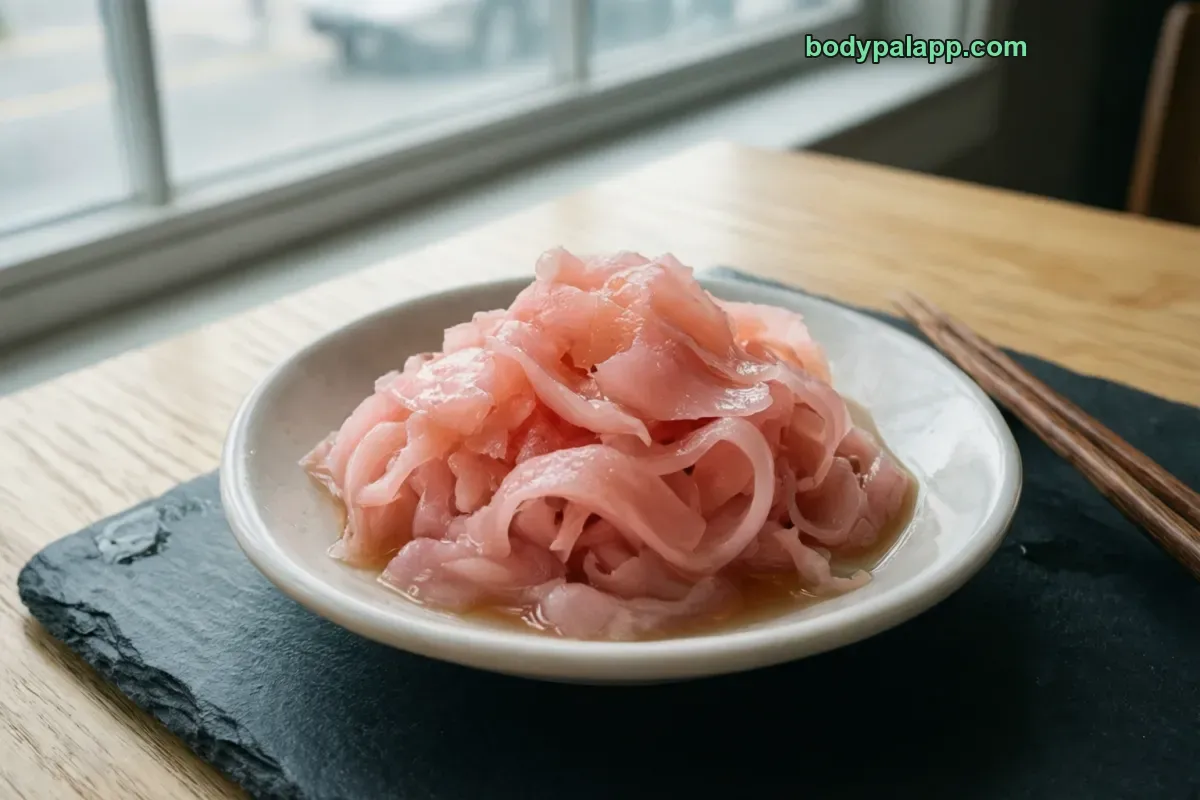
The default serving is 1 tsp (5 g), worth 5 calories and 1 g of carbs. That is roughly the small pink mound a sushi bar sets next to the wasabi. Most people eat more than that, picking at it between pieces, so it helps to know how the number climbs.
It climbs slowly. Two teaspoons (10 g) give 10 calories, three teaspoons (15 g) give 15, and five teaspoons (25 g) give 25. A 1 oz portion (28 g) lands at 28 calories with 5.6 g of carbs, which is 1% of the daily value for calories. Even a full 100 g, far more than anyone eats with one sushi order, stays at 100 calories and 5% of the daily value.
Grams track calories almost one to one here, which makes logging simple. Weigh the ginger and the gram figure is close to the calorie figure. If you skip the scale, count teaspoons and add 5 for each one. Nobody's day is decided by a second helping of pickled ginger, so this is one side you can stop overthinking.
Every calorie in sushi ginger is carbohydrate
The calorie split is 100% carbs, 0% protein and 0% fat. Per 100 g the label lists 20 g of carbs, 0 g protein, 0 g fat and 0 g saturated fat. The label used here also lists 0 g sugars, so the carbs are counted without any sugar on that line. Pickled ginger recipes vary between brands, so check the jar you buy if that row matters to you.
With no protein and no fat, ginger does nothing to make a meal more filling. It is a condiment, not a food that carries a plate. Its job is flavor: a sharp, sweet-sour bite that resets the palate between pieces of fish.
That makes the carb count the only macro number to track. At 1 g per teaspoon and 5.6 g per ounce, it rarely shifts a carb budget in any noticeable way. If you count carbs strictly, log it anyway; small amounts add up when the dish refills.
Sodium is the only row to watch, and it stays small
Sushi ginger carries 200 mg of sodium per 100 g, which is 9% of the daily value. That sounds like a lot until you look at real portions. One teaspoon has 10 mg and rounds to 0% of the daily value. A 1 oz portion has 56 mg, or 2%.
Stacked teaspoons stay modest too: 20 mg for two, 30 mg for three, 50 mg for five. The salt comes from the pickling brine, so it scales with how much ginger you pile on and nothing else.
If you watch sodium at a sushi meal, the ginger is rarely the line that tips the total. Soy sauce, seasoned rice and sauced rolls are the parts to check first. The ginger can stay on the plate. Treat it as a small, predictable number and spend your attention on the dipping bowl.
Ginger is the lightest thing on a sushi plate
On a typical sushi plate, the rice, fish and any sauces carry nearly all the calories. Ginger is the exception: a free-feeling extra that stays in single digits per teaspoon. That is why it works as a palate cleanser you can actually use, rather than a garnish you push aside.
Jars from Hime, Geisha, Aimee and Hissho, plus the tubs that come with takeout, all fill the same role. The numbers on this page follow one packaged label, so if your brand differs, read its panel and log what it says. The pattern holds either way: mostly carbs, a little sodium, very few calories per bite.
If you are building a lighter sushi meal, pair ginger with sashimi or simple rolls and keep the creamy sauces on the side. To keep logging quick, BodyPal can log the whole plate from a photo, ginger included.
How does sushi ginger compare?
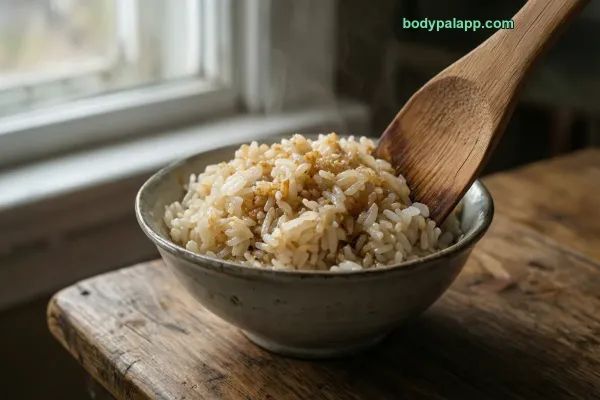
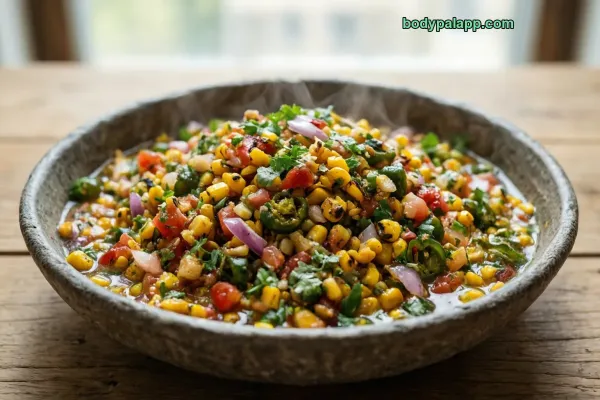
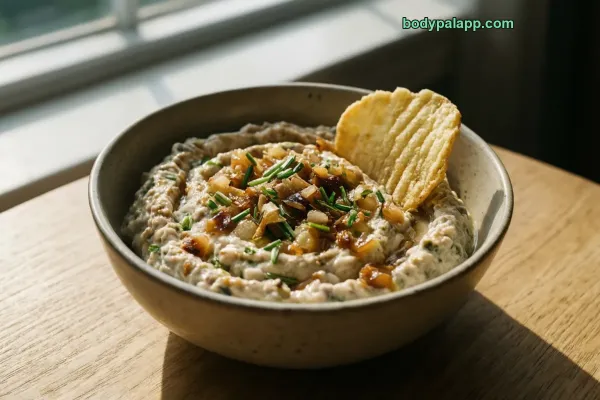
Here is how sushi ginger stacks up against sushi rice, corn salsa and onion dip, per 100 g and per usual serving.
Verdict: For the lightest flavor add-on, sushi ginger at 100 per 100 g or corn salsa at 44 per 100 g both work, and corn salsa adds 2.9 g of protein. Skip onion dip if calories matter: it runs 346 per 100 g with 35.8 g of fat, and a 1 tablespoon serving already costs 52 calories.
Most popular sushi ginger brands in the United States
A 1 teaspoon serving (5 g) is 5 calories. A 1 oz pile (28 g) is 28 calories and 100 g is 100 calories.
Is sushi ginger low in calories?
The portion eaten with a sushi meal is small: 5 calories per teaspoon and 28 calories per ounce, against 100 calories per 100 g.
Sushi ginger or sushi rice: which has more calories?
Per 100 g sushi rice is 130 calories and sushi ginger is 100, so the rice is the bigger part of the meal.
How many carbs and how much sodium does sushi ginger have?
Per 100 g there are 20 g of carbohydrate and 200 mg of sodium, which is 1 g of carbs and 10 mg of sodium in a 5 g teaspoon. Protein and fat are 0 g.
What are the macros in sushi ginger?
Sushi ginger is 100% carbs by calories: 20 g carbs, 0 g protein and 0 g fat per 100 g. A 1 tsp (5 g) serving has 1 g of carbs and nothing else worth counting.
What does sushi ginger nutrition look like per 100 g?
Per 100 g, sushi ginger has 100 calories, 20 g carbs, 0 g protein, 0 g fat and 200 mg sodium. That is 5% of the daily value for calories and 9% for sodium.
How many calories are in an ounce of sushi ginger?
A 1 oz portion (28 g) of sushi ginger has 28 calories, 5.6 g of carbs and 56 mg of sodium. That covers 1% of the daily value for calories and 2% for sodium.
How many calories are in a few teaspoons of sushi ginger?
Three teaspoons (15 g) of sushi ginger have 15 calories and 30 mg of sodium. Five teaspoons (25 g) come to 25 calories and 50 mg of sodium, still a small add-on.